
AI apps are becoming easy to build.
Reliable AI systems are not.
That difference will decide which software agencies survive the next decade.
The Real Problem
Many agencies are rushing to build AI features. Chatbots. AI assistants. Smart dashboards. Auto responders. These demos often look impressive. They work well in controlled scenarios and early pilots. But once they are exposed to real users, real data, and real business pressure, cracks start to appear.
The AI gives inconsistent answers. It misunderstands edge cases. It triggers the wrong actions. It escalates too often or not enough. Costs grow unpredictably. Trust slowly erodes.
The client does not say the system is broken. They say something more dangerous.
They say it feels unreliable.
This is the moment when excitement turns into disappointment, and many AI projects quietly stall.
The Shift
The mistake is thinking the value lies in the AI itself.
Models are getting better every month. Access is getting cheaper. Everyone can plug into the same APIs. When everyone can build an AI app, the app itself stops being the advantage.
The real shift is this.
Value moves from AI outputs to system design.
The agencies that win are not the ones who ask what the model should say. They are the ones who decide when the model should act, what it is allowed to do, how its output is verified, and what happens when it is uncertain.
That discipline is called AI Systems Engineering.
The Field Explained
AI Systems Engineering is the practice of building AI into controlled, production ready systems that run real workflows.
In this model, AI is not the boss. It is a specialist.
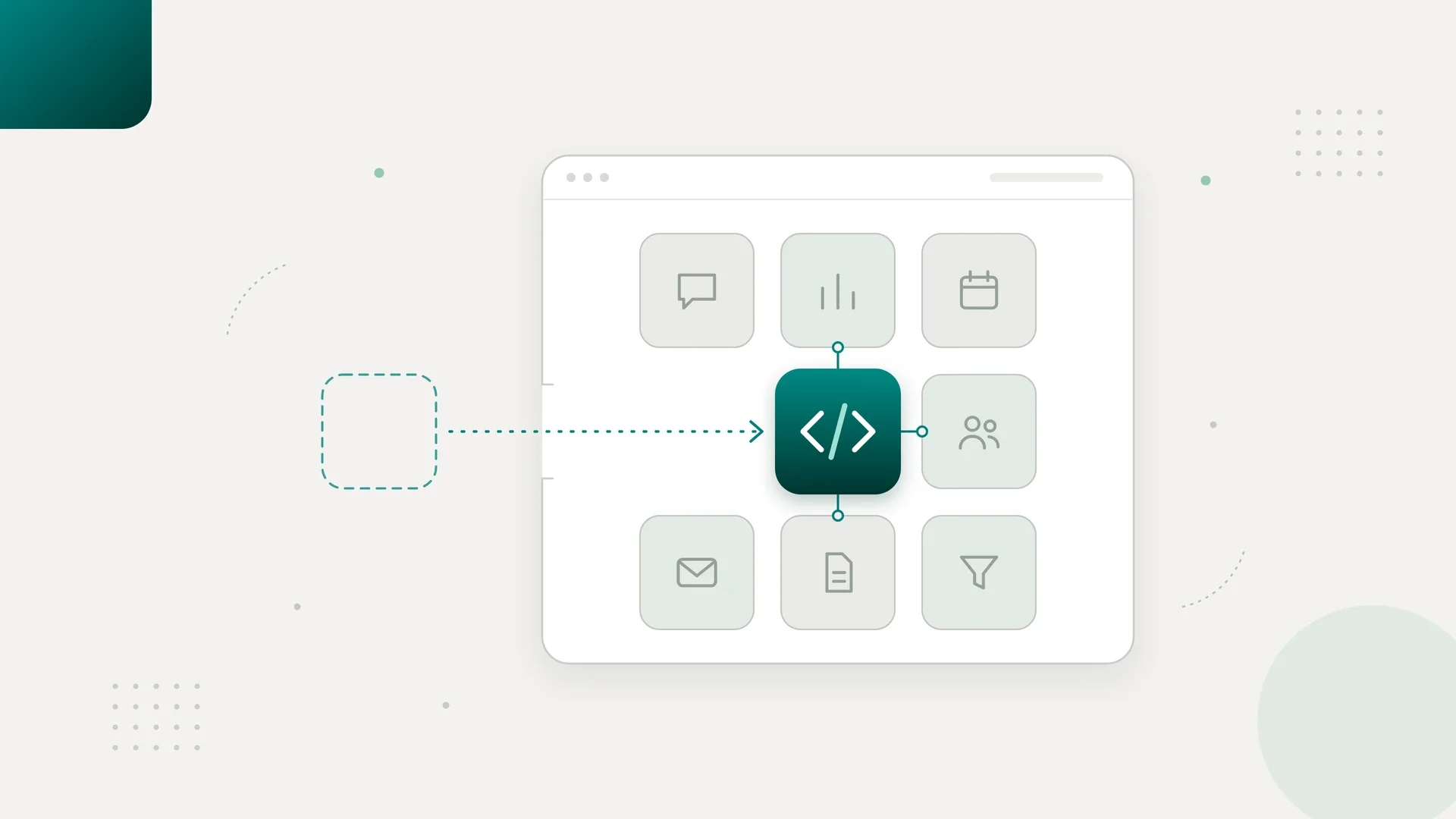
The system has clear layers. There is an orchestration layer that controls flow and state. There are integrations that connect calendars, CRMs, databases, and internal tools. There are rules that define boundaries and escalation paths. There are validations that prevent bad outputs from causing damage.
The AI is used where it is strong. Understanding language. Extracting intent. Summarizing context. Classifying inputs. Suggesting next steps.
But decisions, permissions, and execution remain governed by the system.
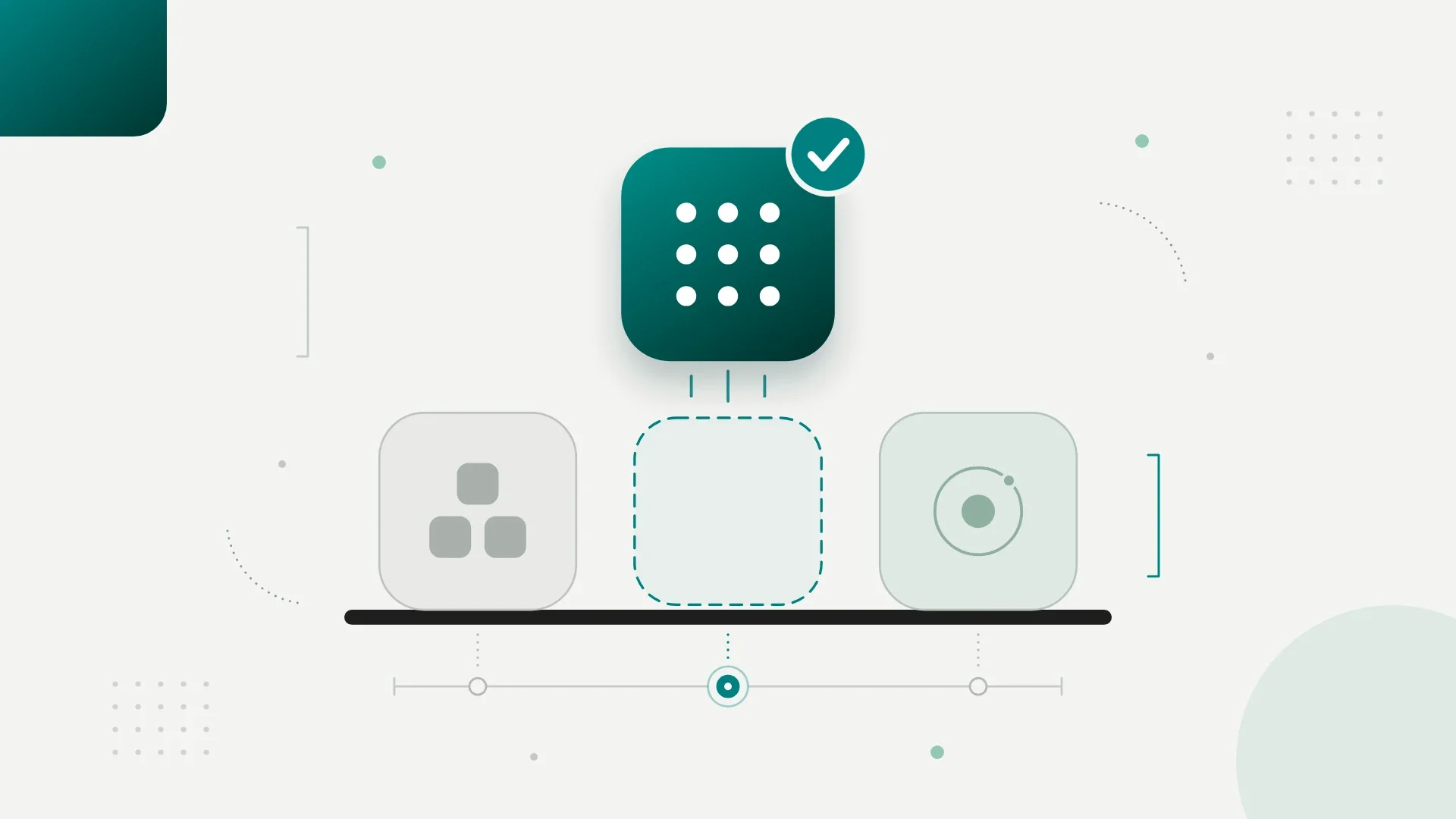
This is what separates an AI app from an AI system.
Examples
Consider a booking assistant.
An AI app simply talks to the user and tries to schedule something. When it fails, it fails silently.
An AI system checks availability from the calendar. Confirms duration rules. Applies business hours. Validates location and service area. Uses AI only to understand the request and collect missing details. If anything is unclear, it escalates.
Or take customer support.
An AI app replies to tickets.
An AI system classifies tickets, drafts responses, checks policy rules, flags risk, routes edge cases to humans, logs outcomes, and measures resolution quality.
In both cases, the value is not the response. The value is the controlled flow.
How Agencies Should Package This
AI Systems Engineering should never be sold as building a feature.
It should be sold as building an operational system.
A strong engagement starts with defining the workflow. Inputs. Outputs. Decisions. Failure modes. Escalation rules. Success metrics.
Then the system is built with clear ownership and monitoring. Finally, it is run in production with feedback loops and continuous improvement.
When packaged this way, pricing moves away from hours and toward outcomes. Clients stop comparing you to cheaper builders because you are no longer selling code. You are selling reliability.
Common Mistakes
The most common mistake is letting the AI control the flow.
Another is shipping without monitoring. If you cannot see how the system behaves, you cannot improve it.
Many teams also skip validation and allow free form outputs to trigger actions. This works until it does not.
Finally, some teams over optimize for clever prompts instead of system design. Prompts matter, but they are not the foundation.
Systems are.
The Next Step
If you are building AI today, ask yourself a simple question.
If this system runs at ten times the volume tomorrow, will it become more reliable or more chaotic.
If the answer is chaotic, you are building an AI app.
If the answer is reliable, you are building an AI system.
That difference is the moat.