
Introduction
Most businesses do not have a software problem.
They have a workflow problem.
Automation first consulting exists to solve that difference.
The Real Problem
For years, agencies have started projects by asking what features to build. Dashboards, forms, integrations, portals, and reports. The result is usually a working product that looks complete, but the business still feels slow and chaotic.
Leads are still missed. Follow ups are inconsistent. Data lives in too many places. Teams copy and paste between tools. Decisions depend on people remembering what to do next.
The software exists, but the pain remains.
This happens because features do not fix operations. Workflows do.
The Shift
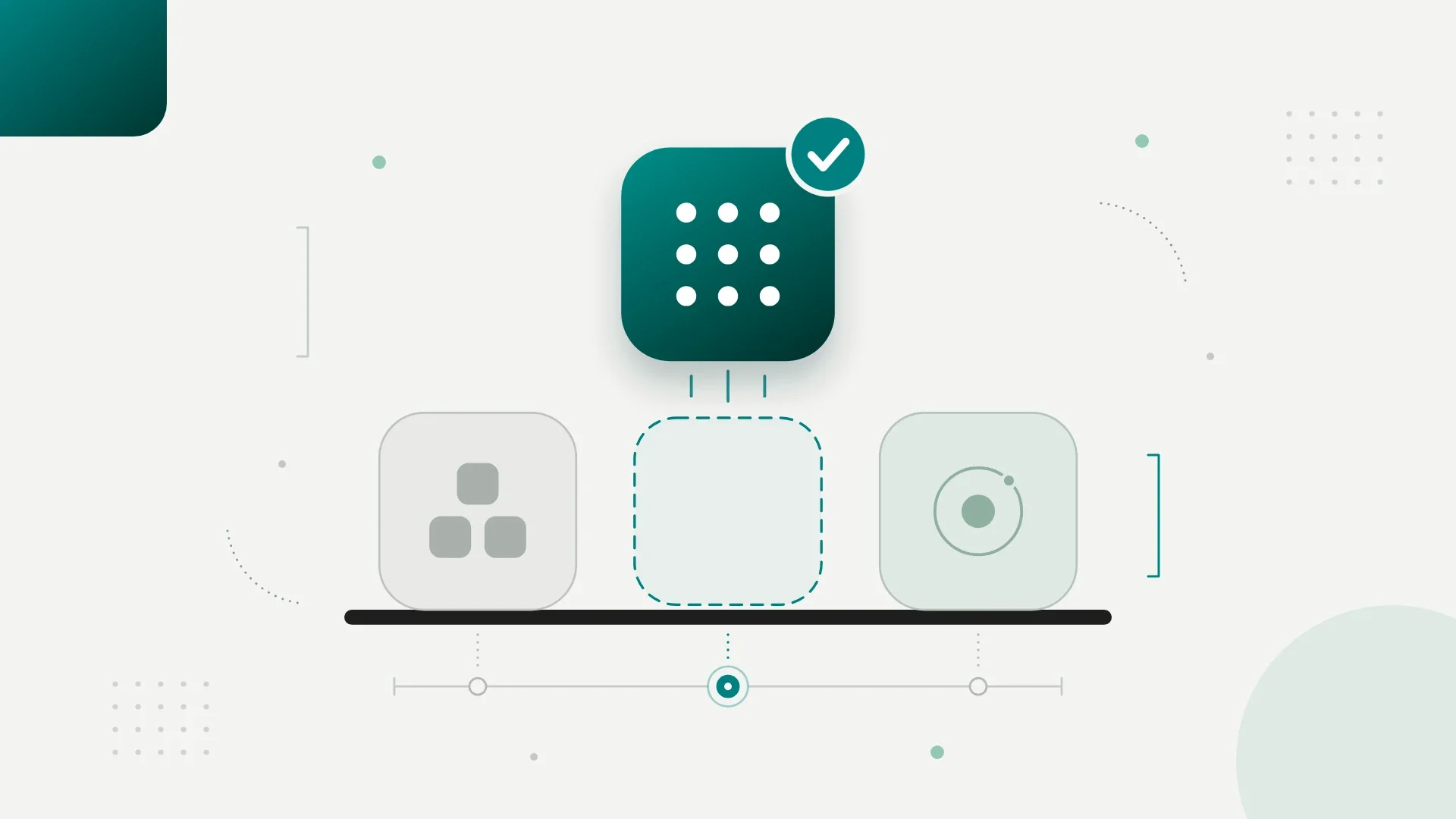
AI and automation make it possible to build faster than ever. But speed alone does not create value. The real shift is moving from feature delivery to operational leverage.
Automation first consulting starts with one question.
Where is the business leaking time, money, or focus today.
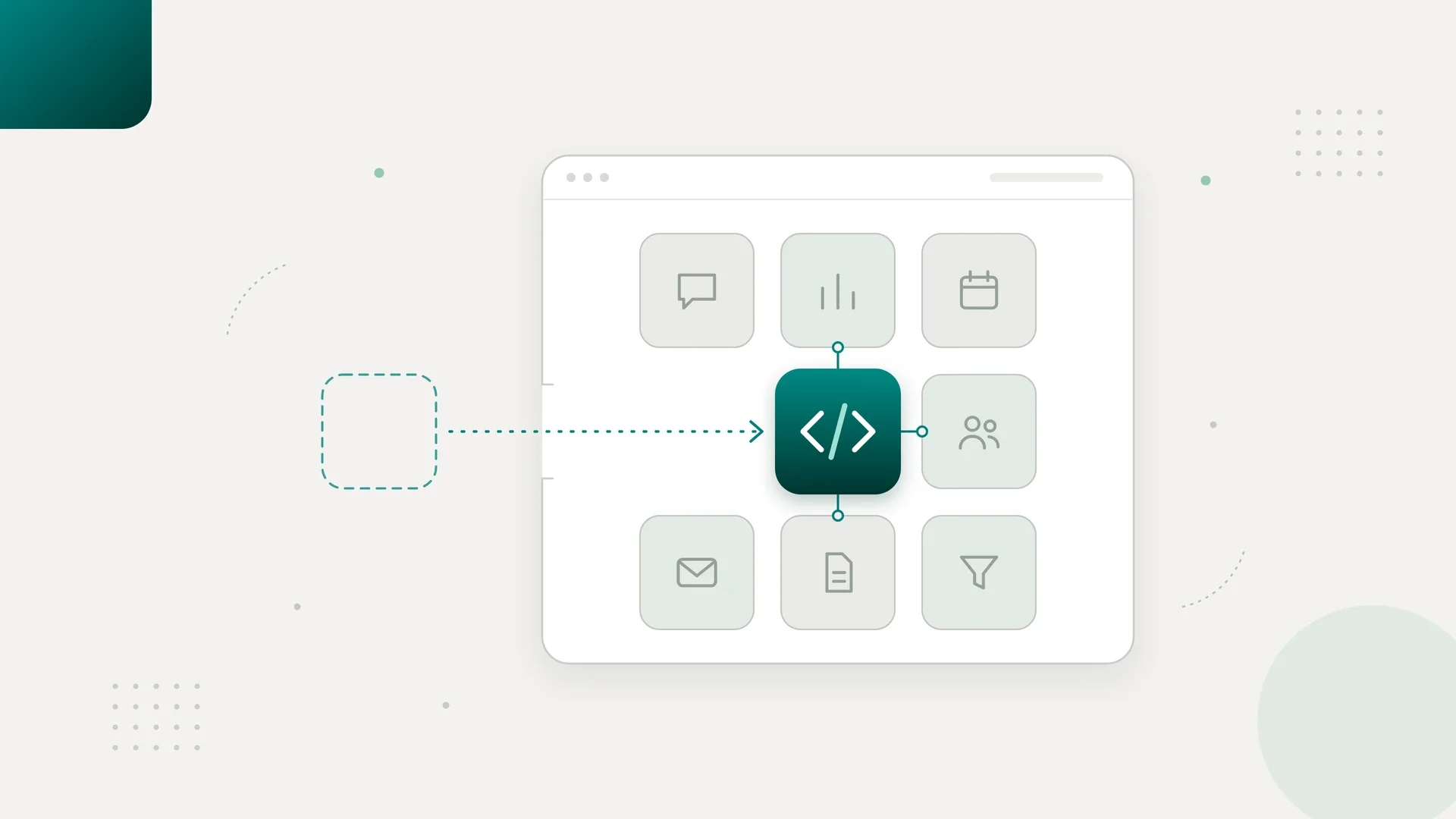
Instead of asking what to build, you ask what breaks when volume increases. Instead of asking what screen is missing, you ask where humans are acting as glue between systems. Instead of asking what looks impressive, you ask what changes outcomes.
That change in thinking is the moat.
The Field Explained
Automation first consulting is the practice of redesigning how work flows through a business, then using automation and AI to enforce that flow.
The consultant does not begin with tools. They begin with the process.
They map how leads arrive, how work is assigned, how decisions are made, how approvals happen, and where handoffs occur. They identify bottlenecks where work slows down or fails. They look for repetitive decisions that do not require human judgment.
Only after that map is clear do they design automation.
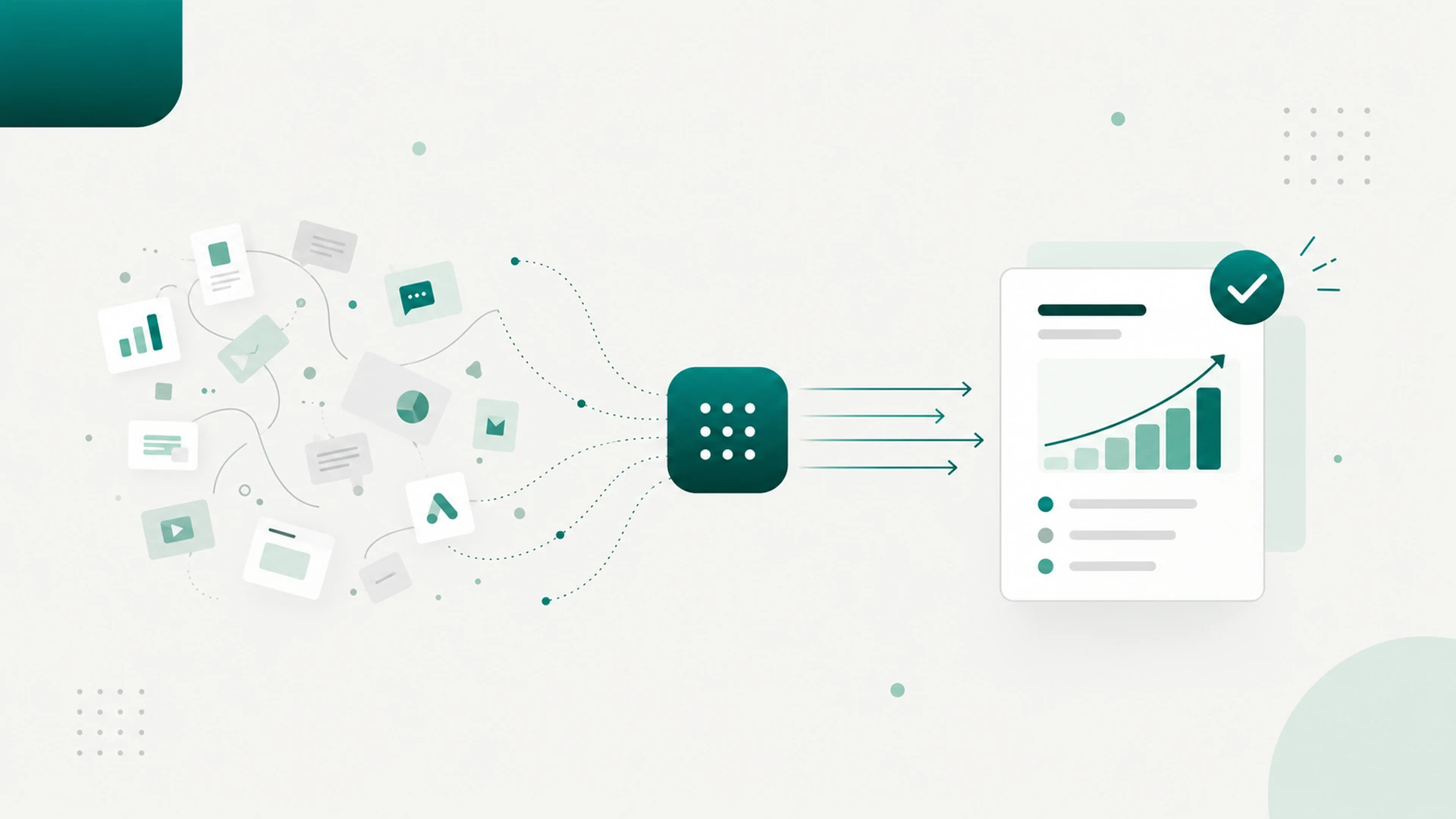
AI is used to understand inputs, extract intent, classify requests, summarize context, and suggest actions. Automation handles routing, sequencing, validation, reminders, and state changes.
The result is not a feature. It is a new operating rhythm.
Examples
Consider a sales pipeline.
A feature focused approach builds a CRM dashboard.
An automation first approach ensures every inbound lead is captured, enriched, followed up within minutes, escalated when intent is high, and tracked until closed or disqualified. The system decides what happens next. Humans step in only where judgment is needed.
Or consider operations.
A feature focused approach builds an internal tool.
An automation first approach removes manual approvals, auto routes requests, enforces rules, flags exceptions, and produces visibility without meetings.
In both cases, the value is not the interface. The value is the flow.
How Agencies Should Package This
Automation first consulting should be sold as a transformation sprint, not an open ended build.
A strong package includes a short discovery phase where workflows are mapped and bottlenecks are identified. Then one high impact automation is implemented end to end. Finally, results are measured and expanded.
This allows agencies to sell outcomes with a clear timeline. It also creates a natural path to ongoing work, because workflows evolve and systems improve over time.
When clients see immediate relief, they stay.
Common Mistakes
A common mistake is automating the wrong thing. If you automate a broken process, you only make the problem faster.
Another mistake is trying to automate everything at once. This creates complexity and resistance.
Some teams also focus too much on tools instead of flow. Tools change. Good process design lasts.
Finally, many teams skip measurement. If you cannot measure impact, you cannot prove value.
The Next Step
If you want to know whether automation first consulting applies to your work, ask this question.
If this business doubled in volume tomorrow, where would it break first.
That answer is your starting point.
Fix that, and you stop building features. You start building leverage.