
Custom projects feel flexible.
They are also the hardest way to scale.
Productized internal tools solve that problem.
The Real Problem
Many agencies live in a cycle of custom work. Every client wants something slightly different. New requirements appear mid project. Timelines shift. Scope grows. Margins shrink.
Even when the work is successful, the agency starts again from zero with the next client. New specs. New architecture decisions. New edge cases. Very little of the previous work compounds.
From the client side, custom projects feel risky. Outcomes are unclear. Timelines feel long. Maintenance feels expensive. Ownership is vague.
Both sides lose energy over time.
The Shift
As software becomes easier to build, the real value shifts to repeatability.
Businesses do not want endless customization. They want specific capabilities that slot cleanly into how they already work. They want tools that solve one operational problem very well.
This is the shift from building custom apps to delivering productized internal tools.
Instead of asking what should we build for this client, the agency asks which capability do businesses repeatedly need.
The Field Explained
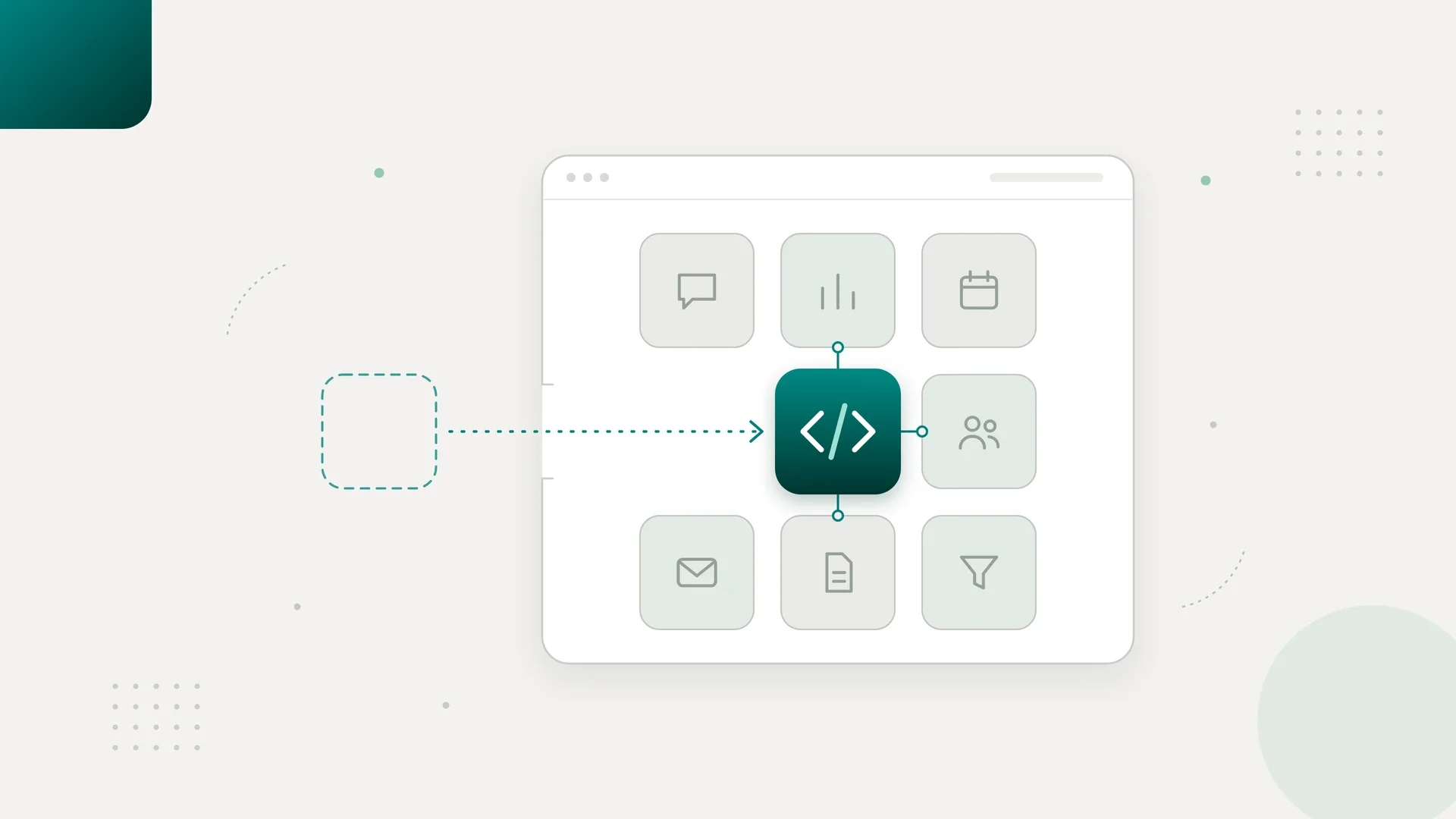
Productized internal tools are focused systems that deliver one clear operational function.
They are not broad SaaS platforms. They are not generic dashboards. They are tightly scoped tools designed to support a specific workflow.
Examples include an operations control panel, a lead qualification and routing console, a support triage dashboard, a booking management system, or an internal review and approval tool.
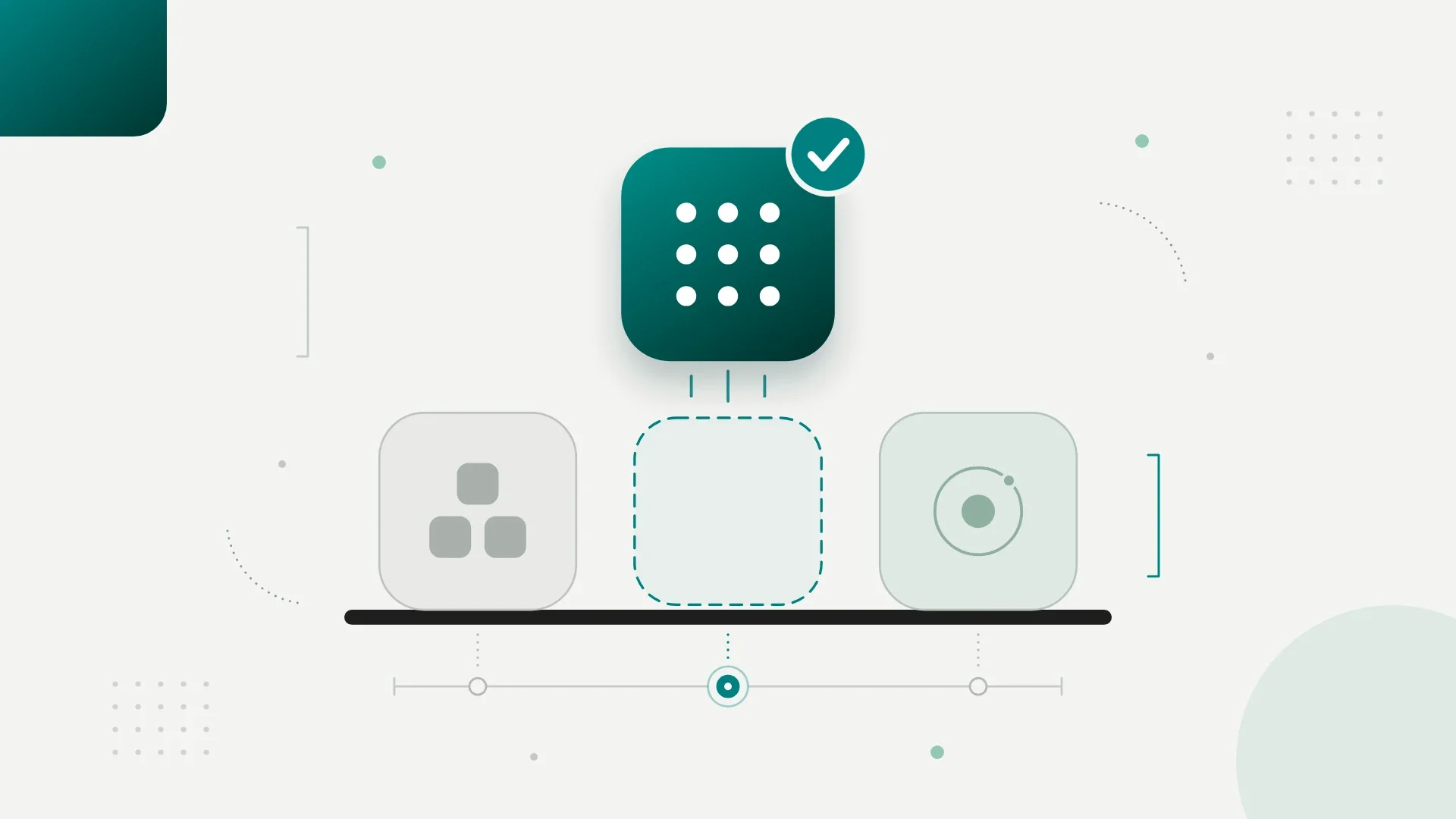
The key is that the core logic stays the same across clients. Configuration changes. Branding changes. Integration points adjust. But the system itself is stable.
This allows agencies to refine quality over time instead of reinventing solutions.
Examples
Consider internal reporting.
A custom approach builds a new dashboard for every client.
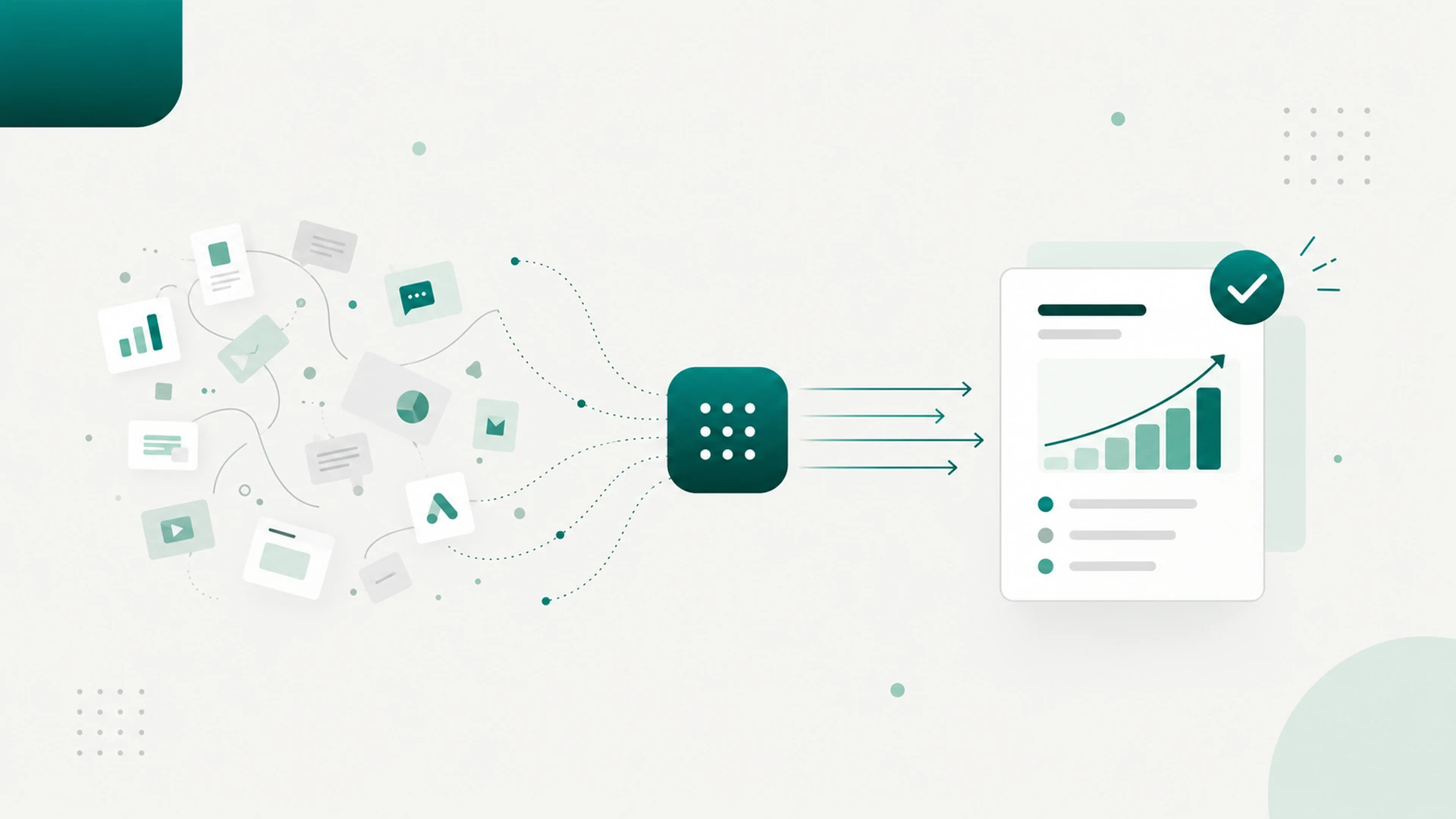
A productized approach builds one reporting engine that connects to common data sources, applies known metrics, and presents insights in a consistent way.
Or consider internal approvals.
A custom approach builds bespoke workflows per client.
A productized approach builds a standard approval system with configurable rules, roles, and notifications.
In both cases, the value comes from consistency and clarity, not uniqueness.
How Agencies Should Package This
Productized internal tools should be sold as capabilities, not projects.
The agency defines the problem the tool solves, the workflows it supports, and the outcomes it enables. Clients buy access to that capability with setup and ongoing ownership.
Delivery becomes faster because the system already exists. Pricing becomes clearer because scope is known. Maintenance becomes simpler because improvements benefit all clients.
This model also pairs naturally with retainers, because the tool is part of daily operations and must evolve with the business.
Common Mistakes
A common mistake is trying to build a full SaaS product too early. Productized tools are not about mass distribution. They are about repeatable value.
Another mistake is allowing too much customization. When every client gets a different version, the product breaks.
Some agencies also underestimate the importance of internal usability. These tools are used daily by teams. They must be simple and reliable.
The Next Step
If you want to move toward productized internal tools, ask one question.
Which problem have we solved repeatedly for different clients.
That problem is your starting point.
Build one tool that solves it well. Package it as a capability. Improve it with every deployment.
That is how custom work turns into a scalable moat.