
Introduction
Trying to serve everyone makes you replaceable.
Owning one industry makes you indispensable.
That is the difference vertical focus creates.
The Real Problem
Most software agencies describe themselves the same way. They build web apps. They do AI. They do automation. They work across many industries. On the surface, this sounds flexible and impressive.
In reality, it creates a problem.
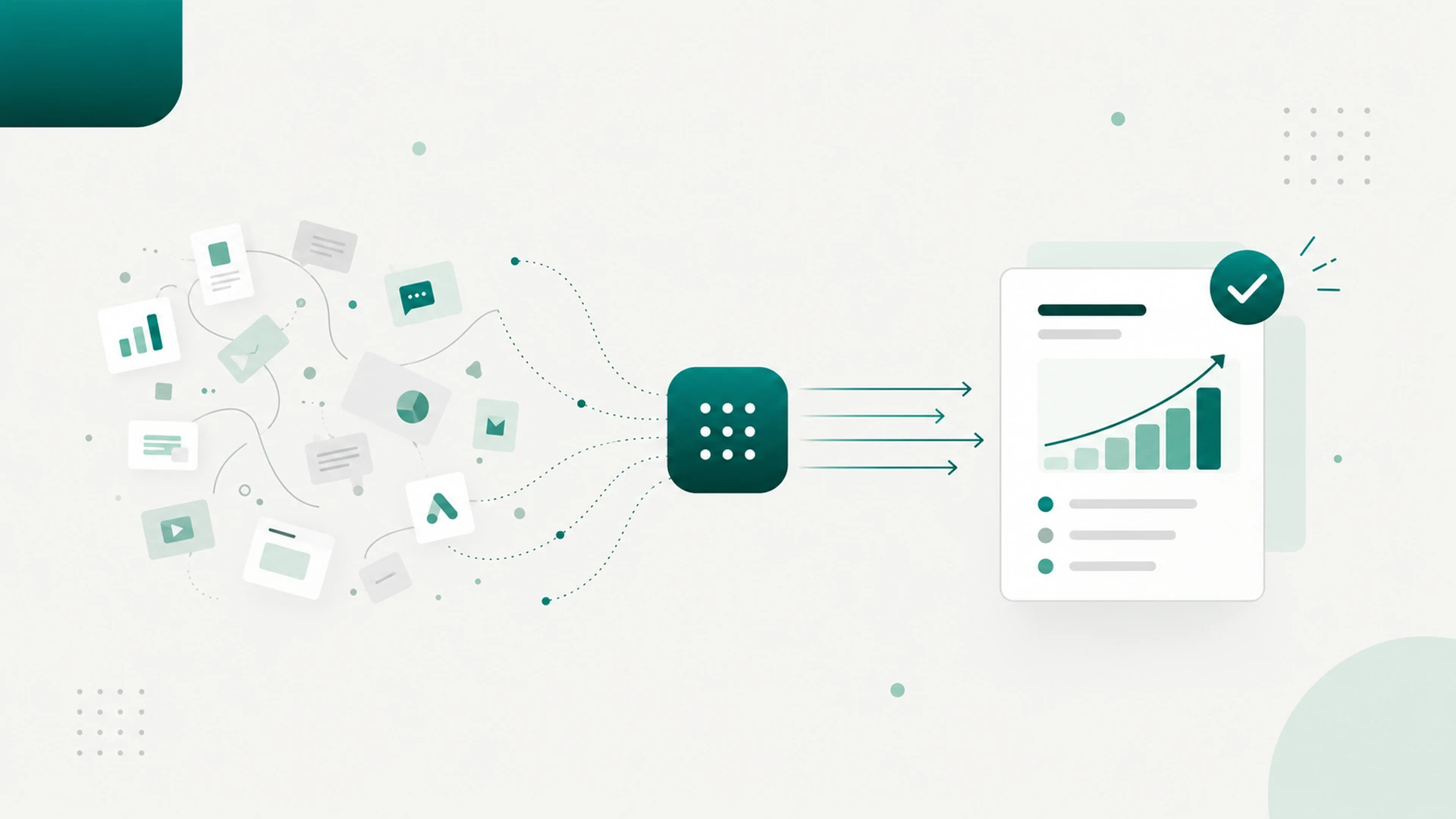
Every new client starts from zero. New terminology. New workflows. New edge cases. New tools. New expectations. The agency spends most of its time relearning instead of compounding knowledge. Delivery feels slow. Pricing feels hard to justify. Trust takes longer to earn.
From the client's perspective, the agency feels capable but not deeply confident. They must explain their business again and again. They must correct assumptions. They must guide decisions that the agency should already understand.
That friction limits growth.
The Shift
As AI lowers the cost of building, buyers stop looking for general capability. They look for relevance.
They want partners who understand their business without being taught. Partners who know the common problems, the usual bottlenecks, the risky edge cases, and the tools already in use.
This is the shift from horizontal services to vertical solutions.
Instead of selling skills, you sell understanding.
The Field Explained
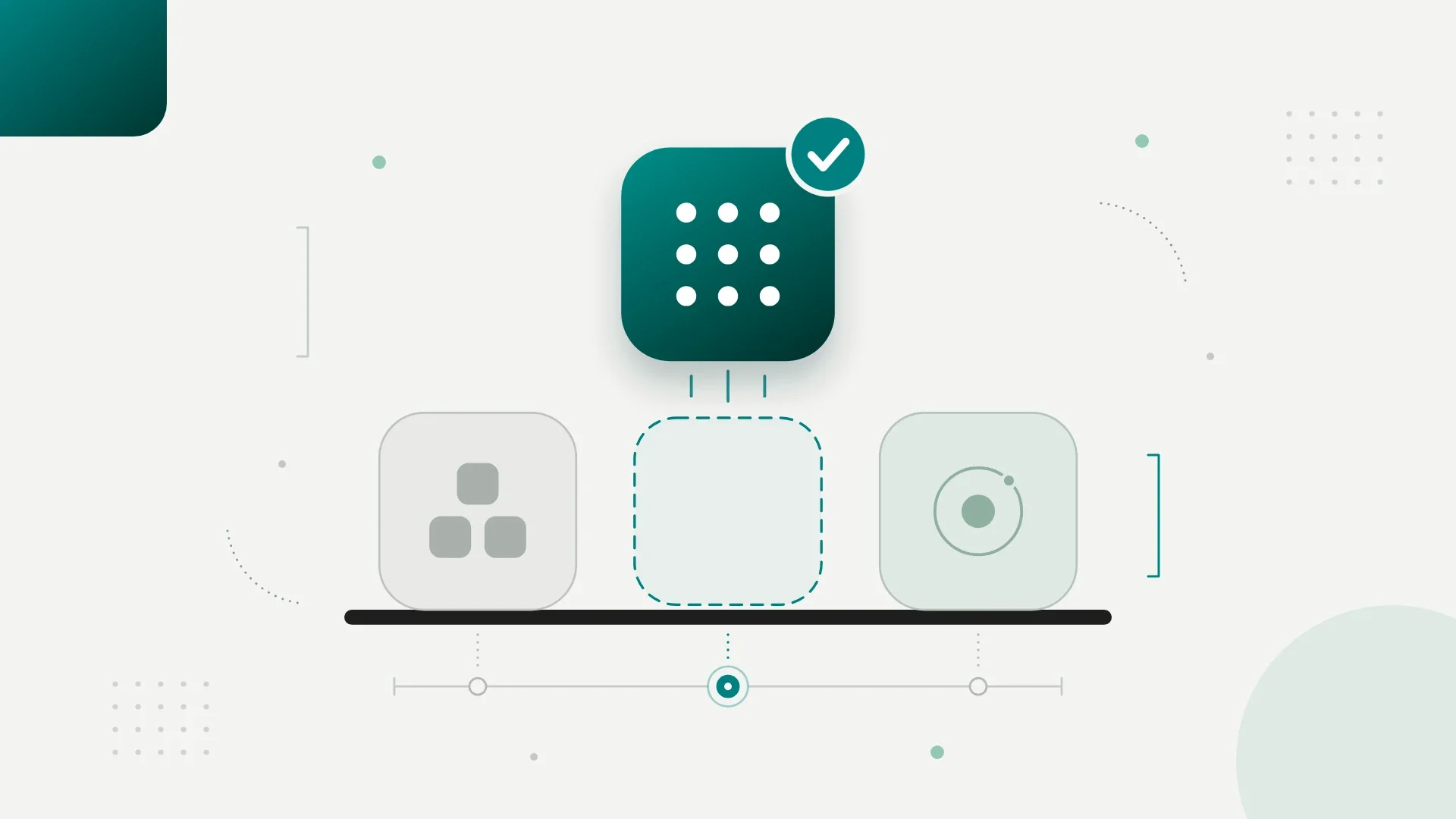
Vertical AI Solutions means focusing on one industry and mastering its workflows deeply.
This does not mean building one product. It means learning how work actually flows in that industry from lead to delivery to support. It means understanding what data matters, what decisions repeat, what mistakes are costly, and what automation creates real impact.
Over time, this knowledge turns into reusable systems. Qualification flows. Routing logic. Escalation rules. Dashboards. Integrations. Playbooks.
AI becomes more effective in this context because it operates within familiar patterns. The questions are known. The intents repeat. The outputs are predictable. The guardrails are clear.
The result is faster delivery, higher quality, and stronger trust.
Examples
Consider ecommerce businesses.
A general agency builds a chatbot.
A vertical agency builds a system that handles order questions, refund rules, delivery tracking, cart recovery, winback campaigns, and CRM updates, all aligned to ecommerce realities.
Or consider home services.
A general agency builds a scheduling form.
A vertical agency builds a system that answers calls, qualifies jobs, checks service areas, books estimates, escalates emergencies, and logs everything into the same operational view.
In both cases, the advantage comes from knowing the workflow before the project begins.
How Agencies Should Package This
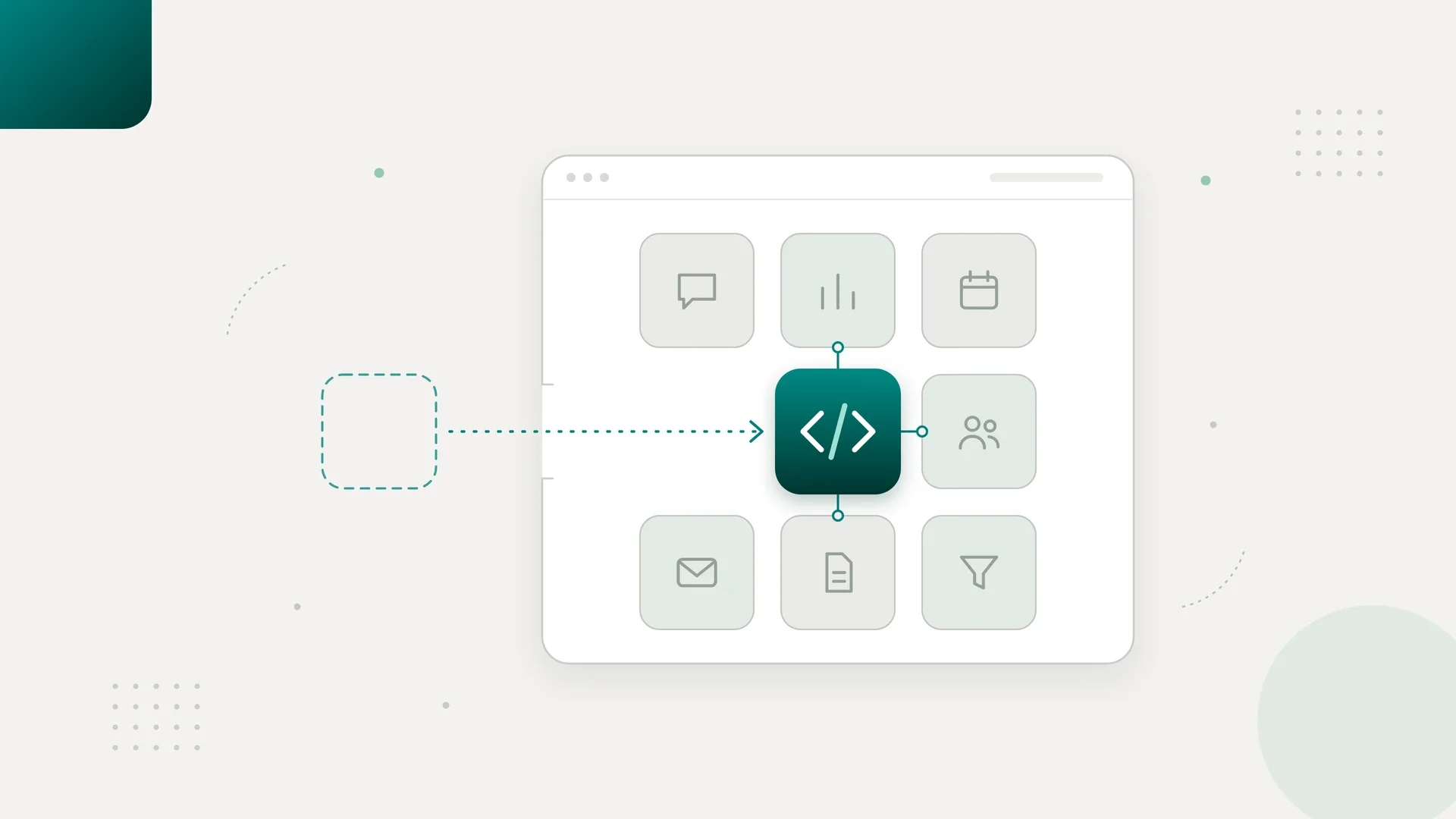
Vertical AI Solutions should be packaged as repeatable systems, not custom experiments.
A strong vertical offer clearly defines the problem it solves, the workflows it automates, and the outcomes it delivers. Discovery becomes shorter because assumptions are already validated. Implementation becomes faster because patterns are reused.
Pricing becomes easier because value is understood. Retainers become natural because the system lives inside daily operations.
The agency stops pitching. The solution speaks for itself.
Common Mistakes
A common mistake is choosing a vertical that is too broad. Healthcare, real estate, or ecommerce alone are not specific enough. Focus should be narrow enough that workflows repeat.
Another mistake is jumping between verticals too quickly. Compounding only happens when you stay long enough to refine systems.
Some agencies also confuse branding with focus. Vertical expertise must show up in delivery, not just messaging.
The Next Step
If you want to move toward vertical solutions, ask one question.
Which industry do we already understand better than most.
The answer is often hidden in past projects, not future ideas.
Choose that industry. Stay there. Build systems that fit it perfectly.
That is how vertical focus becomes a moat.