
I run Tech Emulsion, an AI automation agency, and a good part of our work over the last two years has been building AI systems inside other marketing agencies. Reporting agents, paid media automation, workflow systems. So when an agency owner asks me "will AI replace marketing agencies", I answer from builds we shipped, with the numbers those builds produced and the ways they failed before they worked.
This post is written for the owner of a 10 to 50 person digital agency. You have recurring retainers, an account management layer, and a lot of repetitive delivery work in reporting, paid media, SEO, and content. You are the reader I have in mind.
Will AI replace marketing agencies?
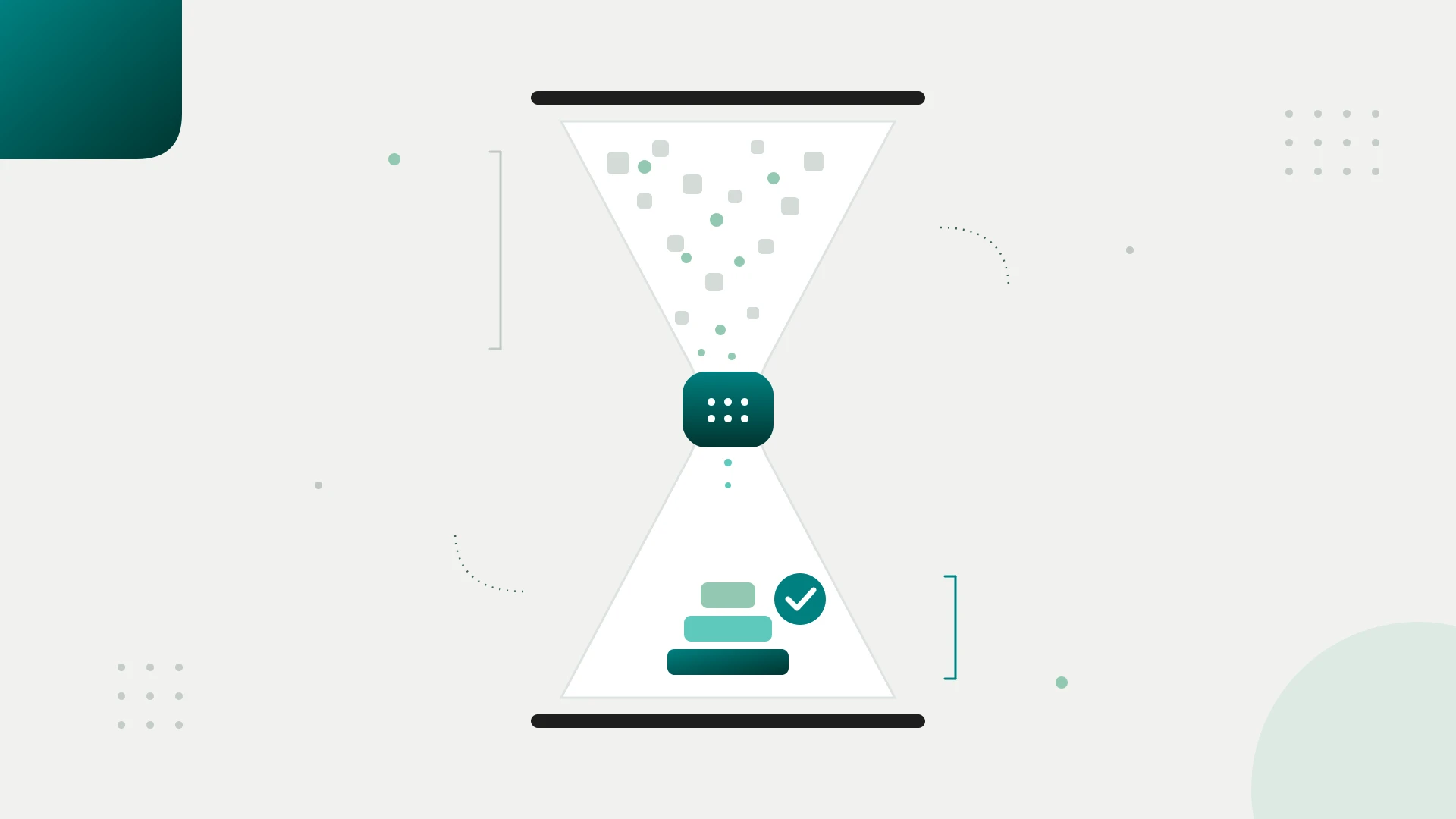
AI is unlikely to replace marketing agencies as businesses. It is already replacing large amounts of the repetitive labor inside them. In one reporting workflow Tech Emulsion automated, roughly 50 human hours per week became 5 to 7 hours of review. The agency survived. The old staffing model behind that workflow did not.
That distinction matters more than any prediction about robots. The question underneath your search is usually more practical: what happens to my agency economics if work that takes my team hours starts taking a competitor minutes?
What agency owners are actually afraid of
When I talk to agency owners, the fear rarely sounds like "an AI will open an agency across the street." It sounds like this:
- Will clients stop paying us for work they can now do themselves with ChatGPT?
- Will another agency undercut us because they deliver with half the labor?
- Do I still need this many account managers, analysts, and junior marketers?
- What am I selling if AI can produce the deliverables?
- How much can I automate without something stupid reaching a client?
- Am I already late?
The second fear is the one I would take most seriously. In my experience, clients moving everything in-house is a smaller threat than a competing agency rebuilding its delivery economics before you do. If two agencies produce comparable outcomes, and one needs 100 human hours per account while the other needs 30, the second agency can charge less, keep more margin, respond faster, or grow without hiring at the same rate. That agency is the real competition.
What we saw when we automated agency workflows
Both extremes in this debate are wrong. The "AI will kill agencies" crowd overestimates how much of agency value is pure execution. The "AI is just a tool" crowd underestimates how much of an agency's cost structure sits in repetitive execution that AI compresses dramatically. Excel is a tool. AI sits inside the production workflow and changes how many people the service requires.
Here is what that looked like in three systems we built.
A reporting agent for an agency with roughly 25 clients
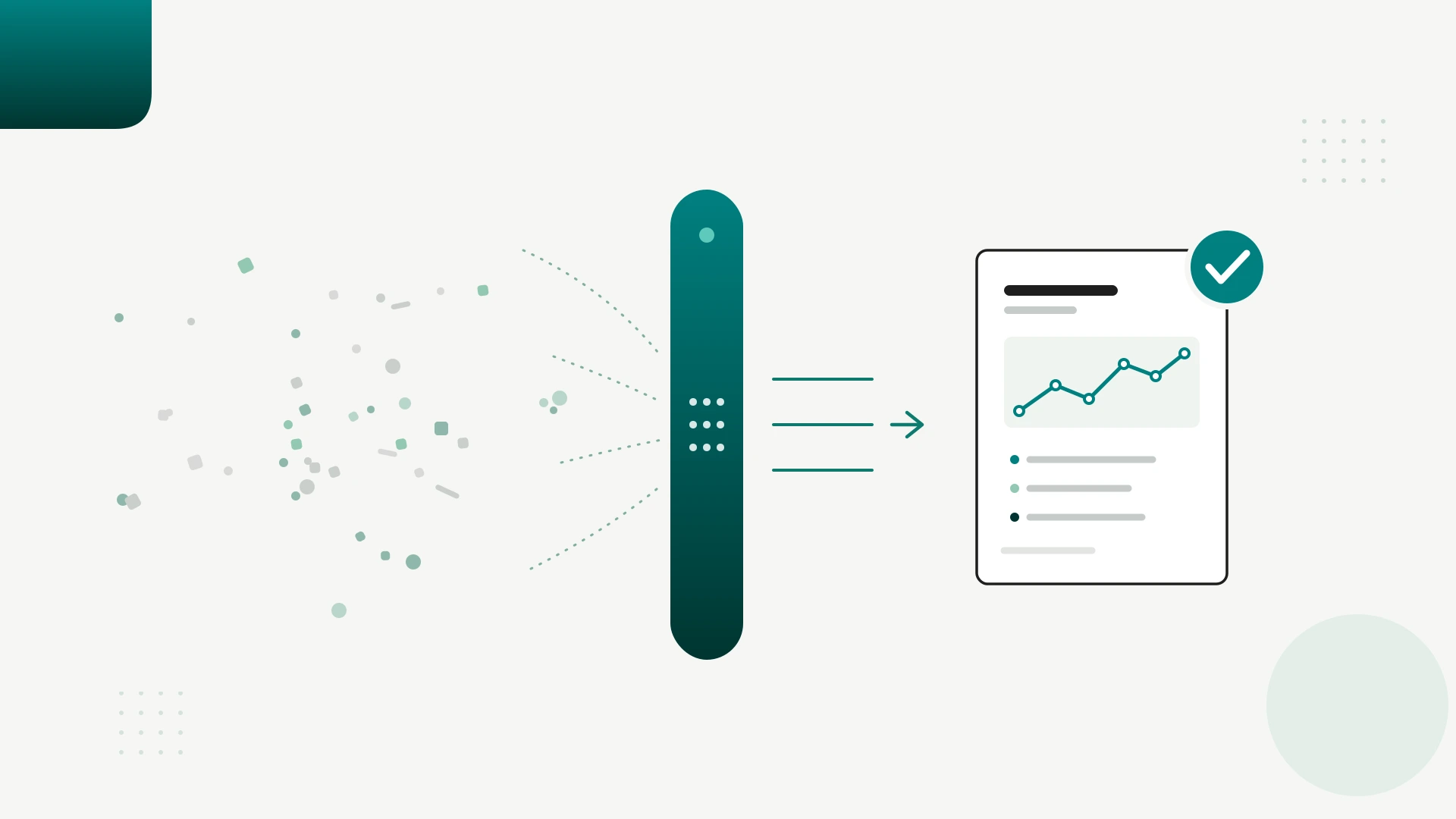
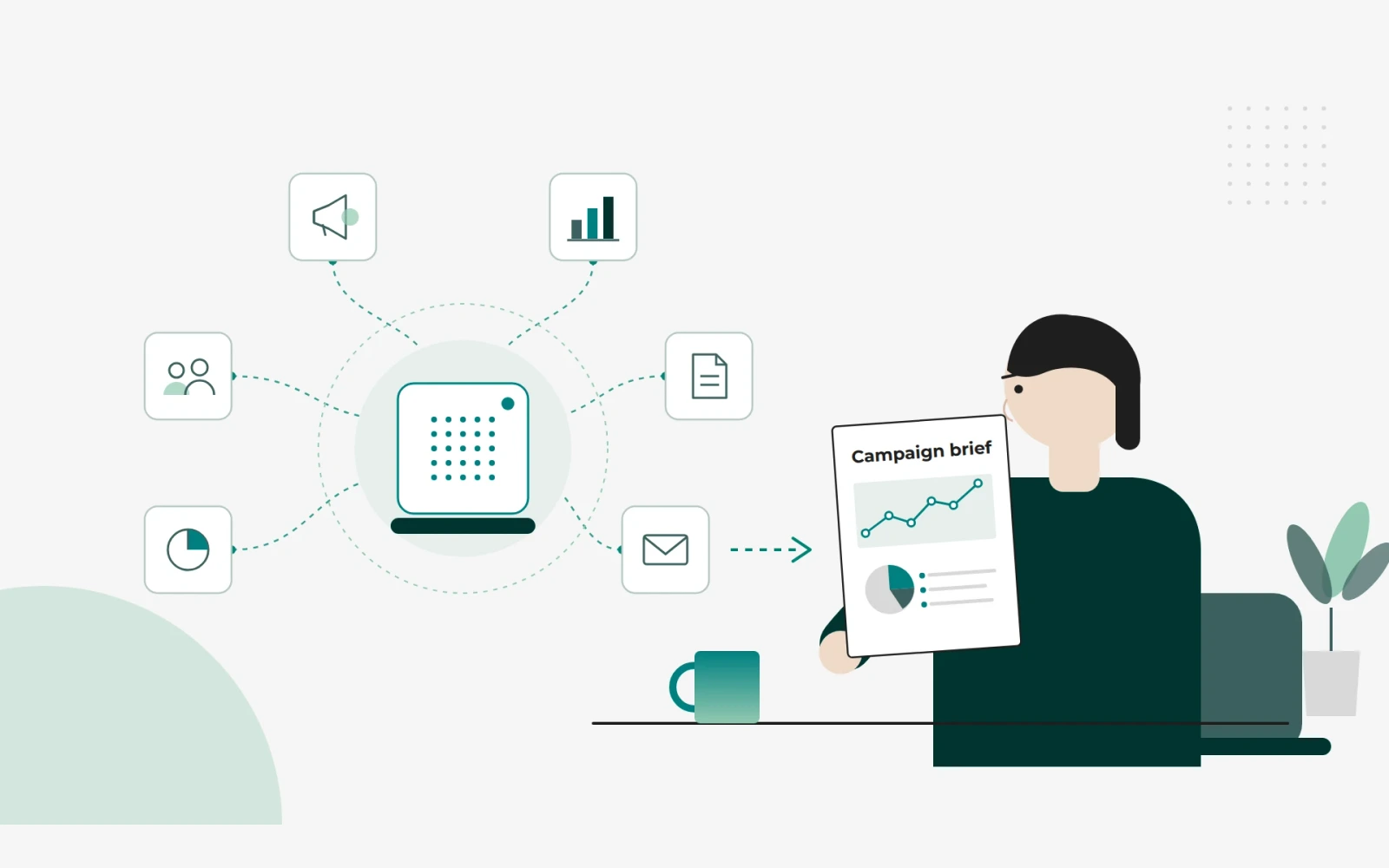
The workflow pulled data from Meta, TikTok, Shopify, and the CRM, compared periods, surfaced meaningful changes, and drafted client-facing commentary in the agency's format. Account managers reviewed every report before it went out.
Before the system, that reporting process consumed roughly 50 human hours per week. After it, the remaining human work was around 5 to 7 hours of review and exception handling. The hours did not go to zero, and that was by design. The last few hours were where judgment lived: does this explanation make sense for this client's business, and should we actually say it? We build systems like this as automated reporting for marketing agencies, and the review layer is part of the product.
Paid media operations for a Charlotte agency
We connected Claude-based agents to the advertising workflow. The system created ad variations, launched campaigns, checked performance, tested creatives, moved budgets, and optimized against targets humans defined. Humans still set CAC and ROAS goals, strategy, budgets, and messaging.
The agency reported roughly 80% less operational work and around a 10% improvement in ROAS after the system went in. Treat both as implementation-specific results, not promises. I would never claim the AI alone caused the ROAS improvement.
A restaurant reporting operation the size of a small department
For another agency serving restaurant clients, the volume of repetitive reporting work being automated was equivalent to roughly 20 full-time roles. The interesting part is what happened to account management. It stayed. The AMs spent more time talking to restaurant partners and less time assembling data. The repetitive production work disappeared. The relationship work did not.
Across all three builds, the pattern held: AI did not eliminate the agency. It eliminated chunks of the labor the agency had been selling.
The three kinds of agency work, and their replacement risk
Most takes on this topic lump all agency work together. It splits into three buckets with completely different exposure.
Mechanical work is data gathering, formatting reports, moving information between systems, first drafts, repetitive campaign setup, and routine checks. This is the most automatable, and it is where the hours are.
Interpretive work is looking at several signals and deciding what they probably mean. AI does a lot here, but only with validated data, tight constraints, and review.
Accountability work is deciding whether to change strategy, explaining a bad month, reading the politics inside a client's company, saying no to a bad idea, and owning the outcome. When performance drops, a client does not want to argue with an agent about why revenue fell. They want a person who can judge imperfect information, make a call, and stand behind it. The safest part of an agency is accountability, and I would be very cautious about automating it.
An agency whose value is mostly mechanical production is exposed. An agency whose value is judgment, niche expertise, relationships, and accountability has time, if it uses that time to rebuild delivery.
Why the demos look easy and production is hard
Getting an LLM to write a good paragraph is the easy part. That was the first lesson from our reporting builds.
Real agency data is messy. Campaign naming is inconsistent across clients. Tracking breaks. One source has yesterday's numbers while another has updated. A metric disappears because an integration failed. If bad data reaches a capable model, you get a beautifully written explanation of something that never happened.
That is the production lesson I rarely see in other posts on this topic: a good model can make bad data more dangerous, because it turns the wrong conclusion into a convincing explanation.
So our architecture evolved into a fixed shape: scheduled data collection, then deterministic validation, then client-specific configuration, then AI analysis and commentary, then human approval. Code calculates ROAS, deltas, and thresholds. The model interprets what validated numbers might mean. A human approves what a client sees. If a source returns missing or suspicious data, the workflow stops and alerts someone instead of passing garbage to the model. We wrote more about running these systems long term in what it takes to keep AI reliable in production.
The mistakes we see agencies make on their own follow directly from skipping that structure:
- Wiring an LLM straight into raw data because the demo worked
- Asking the model to do math that normal code should do
- Automating the final send in version one instead of keeping an approval gate
- Building one generic prompt for every client when every client defines success differently
- Treating a working ChatGPT prompt as infrastructure, then watching output drift
- Launching with no failure path for expired tokens, API outages, or partial data
Most agencies do not get into trouble because their AI is not smart enough. They get into trouble because they trust it before the system around it is reliable enough. The fix is boring: run the AI workflow beside the human process, compare outputs, keep the approval gate, and remove it only for decisions that prove repetitive, low-risk, and verifiable. If you are weighing whether to build any of this yourself, we laid out the tradeoffs in build versus buy for agency reporting.
Where should an agency start with AI?
Skip "where can we use AI?" That question produces a pile of random ideas. Start with the most expensive repetitive workflow instead of the most impressive AI use case.
The short version of the framework I give owners during audits:
- List recurring workflows, not job titles. "Pull six data sources every Monday and draft the performance summary" is engineerable. "Automate the account manager" is not.
- Measure the manual baseline: frequency, accounts affected, hours, systems touched, cost of a wrong output.
- Pick one workflow with high frequency, high manual time, predictable inputs, and low downside when something needs review. Reporting usually wins.
- Split it into deterministic steps, AI steps, and human steps. Build the deterministic spine first.
- Define what the AI may and may not do. Authority boundaries matter more than clever prompts.
- Design the failure path before launch. Retries, alerts, and a visible flag when a data source is missing.
- Run it in parallel with your team before it becomes production-critical.
- Measure recovered capacity, turnaround, and margin. "We have three AI agents" is not a metric.
Start inside the agency, away from clients. A reporting agent that returns dozens of hours is boring next to an AI account manager, and that is exactly why it is the right first project. For a deeper walkthrough of a first build, see how to set up an AI marketing agent from scratch.
One more honest note: sometimes the answer is do not custom-build. For a small client count, an off-the-shelf tool or a simple n8n workflow makes more sense. Custom systems earn their cost when volume, integration complexity, or client-specific logic justifies them. When they do, that is the work we productized as AI automation for marketing agencies, often alongside custom client reporting dashboards.
Where agencies land in the next two to three years
My prediction is restrained. Successful agencies will become smaller relative to the revenue they support. They will need fewer manual delivery hours per account, and their org charts will shift. Roles built mostly around moving information between systems, compiling reports, and producing undifferentiated first drafts lose value. People who understand the client's business, make decisions, supervise AI output, and handle situations outside the template gain value. We covered a version of this from the team side in whether AI agents can really replace your marketing team.
Agencies will also split into two groups. One will sell AI as a feature: we use AI for content, we have AI agents. The other will quietly rebuild the delivery engine underneath the agency so clients barely need to know where AI is involved. The second group gets the durable advantage. Clients care about outcomes, speed, and whether somebody competent owns the result. They do not care how many prompts were involved.
The transition does not wait for AI to become good enough to replace your whole agency. It happens when AI removes enough labor from individual workflows that your old staffing model stops being competitive. That threshold has already passed for reporting, and it is close for several other workflows on the Tech Emulsion roadmap with our own agency clients.
Frequently asked questions about AI and marketing agencies
Will clients replace my agency with ChatGPT?
Some will try, mostly for basic content and research. ChatGPT helps a person do a task. It does not collect data, validate it, run the workflow, and take responsibility for the result. Agencies lose clients to tools when their only value was the task itself.
Which agency jobs does AI affect first?
Roles centered on mechanical work: assembling reports, moving data between systems, formatting deliverables, and producing first drafts. In our builds, the near-term effect was capacity, so the same team supported more accounts and owners hired more slowly as they grew.
Should I fire staff and replace them with AI agents?
No. In the systems we built, humans stayed at the points of judgment and accountability, and the win was recovered capacity. Removing humans entirely assumes the model inherits their judgment. In production, it does not.
Can I just build this in n8n myself?
For a simple workflow across a few clients, yes, and I would tell you so. Once you add OAuth management, client-specific configuration, validation, retries, and monitoring across many accounts, the complexity moves beyond drawing nodes on a canvas. n8n can still be the orchestration layer.
How do I know if my agency is exposed?
Look at how tightly revenue is coupled to human hours. If delivery scales only by hiring account managers, analysts, and coordinators, you are exposed to any competitor who automates the mechanical layer. Judgment, niche expertise, and client relationships are much harder to compress.
What should I automate first?
Your most expensive repetitive workflow with predictable inputs. For most 10 to 50 person agencies, that is client reporting. It is high-frequency, measurable, and safe to run with a human approval gate while you build trust in the system.
Find out what AI actually changes in your agency
AI probably will not replace your agency overnight. Parts of your delivery model are already cheaper to automate than to perform manually, and the honest first step is finding out which parts.
We run a free Agency Automation Audit for digital marketing agencies. We map your current workflows, identify where AI can realistically remove repetitive work, and tell you which opportunities are worth building, which can be solved with existing tools, and which should stay human. If that sounds useful, book a free Agency Automation Audit and we will look at your actual workflows together, or start with what we do for marketing agencies.